This guide is for adults in the UK who already know they have acid reflux and want to enjoy Christmas without paying for it later. It explains why heartburn at Christmas is so common, and how to plan meals, drinks and sleep around it. It also covers your medicines over the bank holidays and when to get help. However, it does not replace advice from your own GP, pharmacist or specialist, so follow their plan first.
Key points
- Big, rich, late meals, more alcohol and late nights all make reflux more likely over the festive season.
- Smaller plates, eating your main meal at least 3 hours before bed and pacing your drinks can all help.
- Keep taking any medicine you have been prescribed, and order your repeat prescription early.
- Pharmacy remedies such as Gaviscon work best after meals and at bedtime, but they can affect some other medicines.
- Never assume chest pain is just heartburn. If it feels like squeezing or pressure, or spreads to your arm, jaw or back, call 999.
Why heartburn can flare at Christmas
Heartburn is the burning feeling you get when stomach acid moves up into your food pipe (oesophagus). If you have not read it yet, our acid reflux guide explains how this works and how reflux is treated.
Christmas tends to bring together many of the things that make reflux worse. For example, the NHS lists coffee, tomatoes, alcohol, chocolate, and fatty or spicy foods as common triggers.[1] NICE also names smoking, alcohol, coffee, chocolate and fatty foods, and advises people to avoid the ones they link with their own symptoms.[2] In addition, symptoms are often worse after eating, when lying down and when bending over.[1] So a large dinner followed by a nap on the sofa is a classic recipe for a flare.
That said, Guts UK points out that triggers can be very individual.[3] You do not need to give up every festive food. Instead, the aim is to know your own triggers and plan around them.
Planning your festive meals
How much you eat, and when, often matters as much as what you eat. Guts UK advises avoiding large, late, high-fat meals.[3] Similarly, the NHS suggests smaller, more frequent meals.[1]
- Use a smaller plate, and go back for seconds later if you are still hungry.
- Eat slowly and chew well, as Guts UK suggests.[3]
- Have your main meal at least 3 hours before bed.[1][3] A lunchtime Christmas dinner can actually suit reflux better than a late one.
- Pick the foods you most want to enjoy, and go easy on the ones you know set you off.
- Go for a gentle walk after dinner rather than lying down straight away.
Also, try not to graze late into the evening. Guts UK suggests cutting down on late snacks, but not skipping breakfast.[3] If you are not sure which foods affect you, jot down meals and symptoms in our free symptom diary during December. Then bring it to your next GP or clinic appointment.
Drinks, parties and late nights
Alcohol is one of the most common triggers. The NHS advises not drinking too much.[1] In fact, its omeprazole page says it is best not to drink alcohol while you take it, because alcohol can raise stomach acid and make symptoms worse.[6] Guts UK suggests keeping within healthy limits of 14 units a week, with some alcohol-free days.[3]
If you do drink, a few simple habits can help:
- Alternate alcoholic drinks with water or a soft drink.
- Stop drinking a few hours before bed, just as you would with food.
- Watch fizzy drinks and caffeine. Guts UK says both can cause heartburn in some people, although the evidence for cutting them out is mixed.[3]
- Choose clothes with a loose waistband. The NHS advises against tight clothes around your waist.[1]
Christmas can also be stressful. The NHS links stress and anxiety with heartburn, and suggests finding ways to relax.[1] Meanwhile, if you smoke, the festive season can be a good time to ask about NHS stop smoking support, since smoking makes reflux worse.[2][3]
Your reflux medicines over Christmas
First, keep taking any medicine you have been prescribed. The NHS says not to stop a prescribed medicine without speaking to a doctor first.[1] If you take omeprazole and forget a dose, take it when you remember. But if your next dose is nearly due, skip the missed one, and never take 2 doses together.[6]
Timing matters too. If you take omeprazole or another PPI (proton pump inhibitor), Guts UK advises taking it about 30 minutes before breakfast, or before your evening meal if you take a second dose.[3] The NHS also suggests taking it at the same time each day.[6] So keep to your usual routine, even on Christmas morning.
Next, order your repeat prescription early. Many pharmacies open shorter hours over Christmas and New Year, and many close on Christmas Day, Boxing Day and New Year’s Day.[8] As a result, NHS England suggests ordering through your practice or the NHS App well before the holidays.[8] Then pack enough for any trips to see family.
Pharmacy remedies and painkillers
A pharmacist can also help with occasional flare-ups. NICE says community pharmacists should offer advice on lifestyle and over-the-counter medicines, and on when to see a GP.[2] For example, they may suggest an antacid or an alginate such as Gaviscon. Alginates form a protective foam layer on top of your stomach contents, which helps stop acid moving up.[4] The NHS says the best time to take Gaviscon is after meals and at bedtime.[4]
However, Gaviscon can stop some medicines working properly. The NHS advises leaving 2 hours between Gaviscon and several medicines, including iron tablets, levothyroxine and some antibiotics.[5] If you take iron, our guide on how to take iron tablets covers timing. So check with your pharmacist if you take anything else regularly.
Finally, be careful with painkillers for a sore head after a party. The NHS lists anti-inflammatory painkillers such as ibuprofen as a cause of heartburn.[1] In contrast, it says paracetamol is safe to take with Gaviscon.[5] Our gastritis guide explains more about how these painkillers affect the stomach.
Sleeping well with reflux
Night-time heartburn can spoil the day after a celebration. So it helps to give your stomach time to empty before you lie down.
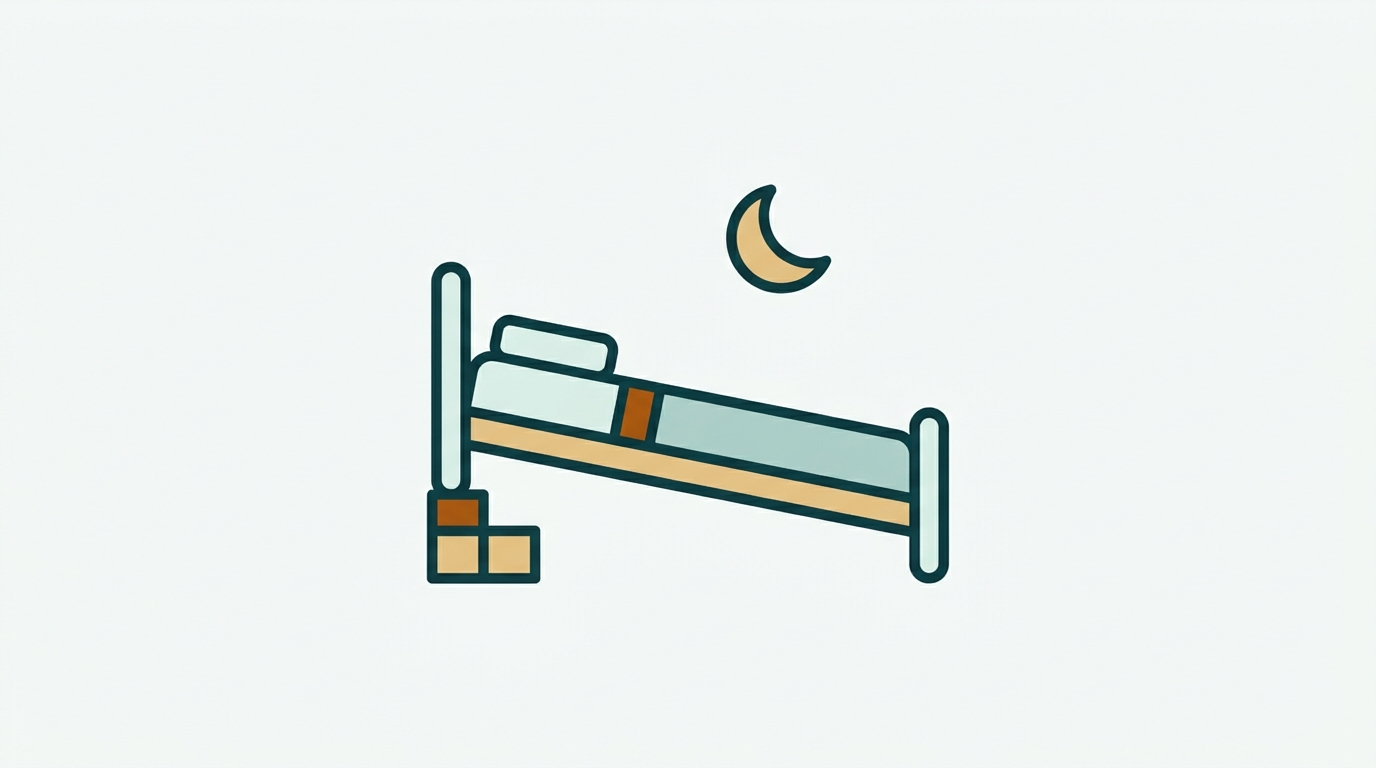
Raising the head of your bed by around 10 to 20cm may help, according to the NHS. You can do this with blocks of wood, bricks or books under the bed legs. Even so, the NHS advises against piling up extra pillows, because this can increase pressure on your tummy.[1] Guts UK agrees, and adds that a wedge pillow or lying on your left side can also help some people.[3]
If you are staying with family, you may not be able to raise the bed. Instead, you could pack a wedge pillow, which Guts UK says can help.[3] Also, focus on the timing of your last meal and drink, and take your bedtime remedy if your pharmacist or GP has suggested one.
Ben’s view
Ben’s view: plan ahead, then enjoy it
I have worked in gastroenterology since 2013, and for the last ten years as an Advanced Clinical Practitioner. I also live with reflux myself, so this is the advice I give in clinic and follow at home. You should enjoy Christmas, not spend it feeling ill. Have your main meal at least 3 hours before bed, so a lunchtime dinner is ideal. Stop drinking alcohol a few hours before bed, with water in between drinks. Then walk after dinner rather than lying on the sofa. None of this means missing out. It means you wake up on Boxing Day feeling well.
The habit I see most often in December is overloading on rich food and not knowing when enough is enough. It breaks the most useful rule for reflux: smaller meals, more often. So use a smaller plate, stop when you feel comfortably full, and save the rest for later.
As an NHS independent prescriber, the problem I most want to prevent is people running out of reflux tablets over the bank holidays, when surgeries and many pharmacies are shut. So check your supply now and order early. Keep taking your PPI daily, on an empty stomach about 30 minutes before breakfast. Do not stop because you feel better, or double up after a missed dose. Also, ask your pharmacist before adding a remedy such as Gaviscon, as it can stop some medicines working.
Finally, do not sit on new symptoms until January. Food sticking when you swallow, being sick, losing weight without trying or heartburn that keeps getting worse all need checking, whatever the date. When a test is needed, the gastroscopy and transnasal endoscopy I perform can give you clear answers.
 Ben Johnson
Lead Author & Advanced Clinical Practitioner, Gastroenterology
When to get help
GP surgeries close on bank holidays, but help is still there. Use NHS 111 online or call 111 for advice if you cannot wait.[8]
Warning signs to act on
Call 999 if you get sudden pain or discomfort in your chest that does not go away. It may feel like squeezing, pressure, burning or indigestion. Also call 999 if pain spreads to your arms, neck, jaw, stomach or back, or if you have chest pain and feel sweaty, sick, light-headed or short of breath. You could be having a heart attack.[7]
Get urgent medical help by calling 111 or 999 if you vomit blood or have black, tarry poo.
See a GP if food gets stuck when you swallow, you keep being sick, or you lose weight without trying. Also see a GP if you have heartburn most days, or if lifestyle changes and pharmacy medicines are not helping.[1][3]
Frequently asked questions
Can I drink alcohol at Christmas if I have reflux?
Many people with reflux still have a drink, but alcohol can make symptoms worse.[1][6] So keep within healthy limits, have water in between, and stop a few hours before bed.[3] If you take omeprazole, the NHS says it is best not to drink.[6]
How long before bed should I eat Christmas dinner?
The NHS and Guts UK both suggest eating your main meal at least 3 hours before bed.[1][3] Then, if you want a snack later, keep it small.
Can I take Gaviscon with my omeprazole?
Ask your pharmacist or GP, because it depends on your other medicines. NICE says pharmacy antacids or alginates, taken as needed, can be part of managing reflux long term.[2] However, Gaviscon needs a 2-hour gap from some medicines, such as iron tablets and levothyroxine.[5]
What if I run out of my reflux tablets over Christmas?
Try to order early, ideally through the NHS App or your GP practice.[8] If you still run out while your surgery is closed, contact NHS 111 online or call 111 for advice.[8] In the meantime, do not take extra doses to catch up.[6]
References
- NHS. Heartburn and acid reflux. Page last reviewed 20 November 2023. https://www.nhs.uk/conditions/heartburn-and-acid-reflux/
- National Institute for Health and Care Excellence. Gastro-oesophageal reflux disease and dyspepsia in adults: investigation and management (CG184), Recommendations. 2014, last updated October 2019 (minor update September 2024). https://www.nice.org.uk/guidance/cg184/chapter/Recommendations
- Guts UK. Heartburn and acid reflux. Published September 2025, review due September 2028. https://gutscharity.org.uk/advice-and-information/symptoms/heartburn-and-reflux/
- NHS. How and when to take Gaviscon and Common questions about Gaviscon. Pages last reviewed 23 April 2025. https://www.nhs.uk/medicines/gaviscon/how-and-when-to-take-gaviscon/
- NHS. Taking Gaviscon with other medicines and herbal supplements. Page last reviewed 23 April 2025. https://www.nhs.uk/medicines/gaviscon/taking-gaviscon-with-other-medicines-and-herbal-supplements/
- NHS. Common questions about omeprazole. Page last reviewed 17 September 2025. https://www.nhs.uk/medicines/omeprazole/common-questions-about-omeprazole/
- NHS. Chest pain. Page last reviewed 8 August 2023. https://www.nhs.uk/symptoms/chest-pain/
- NHS England North West. NHS urges people to order and collect repeat prescriptions ahead of Christmas. 11 December 2025. https://www.england.nhs.uk/north-west/2025/12/11/nhs-urges-people-to-order-and-collect-repeat-prescriptions-ahead-of-christmas/